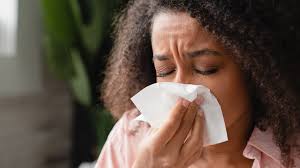
Natural Remedies for Dust and Pollen Allergies in the Middle East

The Middle East—especially countries like the UAE, Saudi Arabia, and Qatar—is known for its beautiful deserts, modern cities, and year-round sunshine. However, the region’s dry climate and frequent dust storms also make it a hotspot for dust and pollen allergies, affecting residents and expats alike.
If you often experience sneezing, itchy eyes, runny nose, or respiratory discomfort, you might be one of the millions suffering from allergic rhinitis or seasonal allergies. Fortunately, there are natural and effective remedies that can help ease your symptoms—many of which are easily accessible in the region.
This blog from Oncall Doctor outlines the most trusted and evidence-backed natural ways to manage dust and pollen allergies in the Middle East, offering holistic solutions that complement conventional medicine and improve your quality of life.
What Triggers Allergies in the Middle East?
Before diving into remedies, it’s important to understand the common environmental triggers for allergies in this region:
Dust
Windblown dust from desert storms is rich in allergens, mites, and pollutants. Dust particles can linger indoors, accumulating in carpets, furniture, and air filters.
Pollen
Local plants and imported ornamental species release fine pollen, especially during spring and early summer, leading to widespread allergic reactions.
Mold
Despite the dry climate, mold can thrive in air conditioning units, old buildings, and coastal cities where humidity spikes.
Sandstorms
The Middle East regularly experiences shamal winds (sandstorms) that can carry irritants across hundreds of kilometers, exacerbating allergies and asthma.
Common Symptoms of Dust and Pollen Allergies
Recognizing your symptoms is the first step toward relief. The most common signs include:
- Sneezing fits
- Itchy, red, or watery eyes
- Nasal congestion or runny nose
- Coughing or wheezing
- Postnasal drip
- Fatigue and irritability
If your symptoms persist for more than a week or get worse during certain seasons, you likely have environmental allergies.
15 Natural Remedies for Dust and Pollen Allergies
Here are the most effective and natural ways to manage allergies, especially tailored for residents of the Middle East:
Saline Nasal Rinse
A saltwater nasal wash (using a neti pot or squeeze bottle) helps clear allergens from the nasal passages.
- Use distilled or boiled water.
- Add ¼ teaspoon of salt and a pinch of baking soda.
- Rinse twice daily during high allergy seasons.
Local Raw Honey
Consuming locally sourced honey may help build tolerance to local pollen.
- Start with 1 teaspoon a day.
- Continue for several months.
- Avoid if you have bee or pollen allergies.
Steam Inhalation with Essential Oils
Steam opens airways and essential oils provide anti-inflammatory benefits.
- Add a few drops of eucalyptus, peppermint, or tea tree oil to hot water.
- Inhale deeply under a towel for 5–10 minutes.
Probiotics for Gut Health
A healthy gut supports a strong immune response to allergens.
- Include yogurt, kefir, kimchi, and miso in your diet.
- Consider probiotic supplements with Lactobacillus and Bifidobacterium strains.
Butterbur (Petasites hybridus)
Studies show butterbur may relieve symptoms of hay fever.
- Available in tablet or capsule form.
- Choose products labeled “PA-free” (free from toxic pyrrolizidine alkaloids).
Indoor Allergy Control: Your First Line of Defense
HEPA Air Purifiers
Install HEPA (High-Efficiency Particulate Air) filters in bedrooms and living areas to remove dust mites, pollen, and mold spores.
Air Conditioning Hygiene
Ensure AC units are cleaned and serviced regularly. Mold often grows in coils and ducts.
- Clean or change filters every 30–60 days.
- Hire professional services like Oncall Doctor for deep cleaning.
Dust-Proof Bedding
Use allergy-proof mattress and pillow covers to reduce dust mite exposure.
- Wash bed linens in hot water weekly.
- Avoid feather pillows and heavy drapes.
Natural Cleaning Products
Conventional cleaners may irritate allergies. Use white vinegar, baking soda, lemon, and essential oils for a gentler option.
Nutrition-Based Natural Allergy Remedies
Vitamin C-Rich Foods
Vitamin C acts as a natural antihistamine.
- Eat citrus fruits, bell peppers, berries, broccoli, and kiwi.
- Consider a supplement (500–1000mg daily) during allergy season.
Quercetin
A plant flavonoid that stabilizes histamine release.
- Found in apples, onions, green tea, and red grapes.
- Also available as a supplement.
Omega-3 Fatty Acids
Anti-inflammatory and helpful for respiratory health.
- Eat more chia seeds, walnuts, and flaxseeds.
- Supplement with high-quality fish oil if you’re not vegetarian.
Lifestyle Remedies That Help Control Allergies
Nasal Breathing Techniques
Practice alternate nostril breathing (Nadi Shodhana) to strengthen your nasal passages and reduce congestion.
- Sit comfortably.
- Close one nostril and inhale deeply, then switch.
- Repeat for 5 minutes daily.
Herbal Teas
Drink teas with natural antihistamines and anti-inflammatory properties.
- Chamomile
- Peppermint
- Licorice root
- Ginger-turmeric tea
Humidity Control
Keep indoor humidity between 30–50% to prevent mold growth and dust mite proliferation.
- Use a dehumidifier if necessary.
- Ventilate kitchens and bathrooms regularly.
When to Seek Medical Help
Natural remedies are excellent for mild to moderate symptoms, but if you experience:
- Shortness of breath
- Persistent coughing
- Sinus infections
- Uncontrolled sneezing and congestion
- Asthma attacks
…it’s time to consult a doctor or allergy specialist.
Oncall Doctor offers at-home consultations with DHA-licensed doctors, allergy testing, and customized natural care plans for patients across Dubai and the UAE.
Can Natural Remedies Replace Medication?
No. Natural remedies should be used alongside conventional treatment, not in place of it—especially if you:
- Have chronic respiratory issues (e.g., asthma)
- Rely on antihistamines, steroids, or inhalers
- Experience severe allergic reactions (anaphylaxis)
Always talk to your physician before stopping any prescribed treatment. Oncall Doctor provides personalized wellness programs that blend traditional and natural remedies safely.
Middle East-Specific Tips
Best Times to Go Outdoors
Avoid peak pollen and dust hours—early mornings and late afternoons. Try going out after rainfall or early in the evening when particles settle.
Shower After Being Outdoors
Always change clothes and shower after returning home to rinse pollen and dust off your skin and hair.
Use a Face Mask or Scarf
Wearing a face covering during sandstorms or high-dust days offers simple but effective protection.
How Oncall Doctor Can Help
At Oncall Doctor, we believe in a comprehensive approach to allergy care. We offer:
✅ At-home doctor consultations
✅ Allergy testing and analysis
✅ Air quality assessments
✅ Holistic wellness advice
✅ AC duct cleaning services
✅ Probiotic and supplement guidance
✅ Natural therapy support with DHA-certified nurses
Our mission is to ensure Dubai residents breathe easier—naturally and safely.
Conclusion: Breathe Easy, the Natural Way
Allergies in the Middle East are common but manageable. With the right natural remedies, lifestyle adjustments, and professional support, you can drastically reduce your symptoms and enjoy daily life—even in dusty or pollen-heavy environments.
If you’re ready to take charge of your health, Oncall Doctor is here to guide you every step of the way. We combine medical expertise with holistic wellness to provide personalized allergy management solutions in the comfort of your home.
Contact Oncall Doctor today to schedule a consultation or explore our allergy support services.
Related posts